How is it Beneficial for Us?
Breathing is something we do every day without thinking. It’s automatic, instinctive, and essential for life. But when it comes to Pilates and other mindful movement practices, how we breathe becomes just as important as the fact that we are breathing at all. One of the foundational breathing techniques in Pilates is called Lateral Thoracic Breathing. But what is it exactly? And why does it matter?
Let’s take a deep (and well-directed) breath and explore.
What is Lateral Thoracic Breathing?
Lateral thoracic breathing, also called lateral ribcage breathing, is a focused breathing technique where the emphasis is on expanding the ribs sideways (laterally) and towards the back, rather than letting the breath rise into the shoulders or distend the belly too much.
In simpler terms:
- Instead of breathing high into your chest (shoulder-lifting breathing),
- Or low into your belly (belly breathing like in yoga or relaxation),
- You aim to breathe into the sides and back of your ribcage.
During lateral thoracic breathing:
- The diaphragm still lowers (as it does with any inhale),
- But the outward movement is felt more around the ribs and sides of the torso,
- While the abdominals stay gently engaged and supportive.
This pattern encourages controlled, functional breathing that aligns with the core activation required during Pilates exercises.
How Do You Practice Lateral Thoracic Breathing?
Here’s a quick guide if you want to try it now:
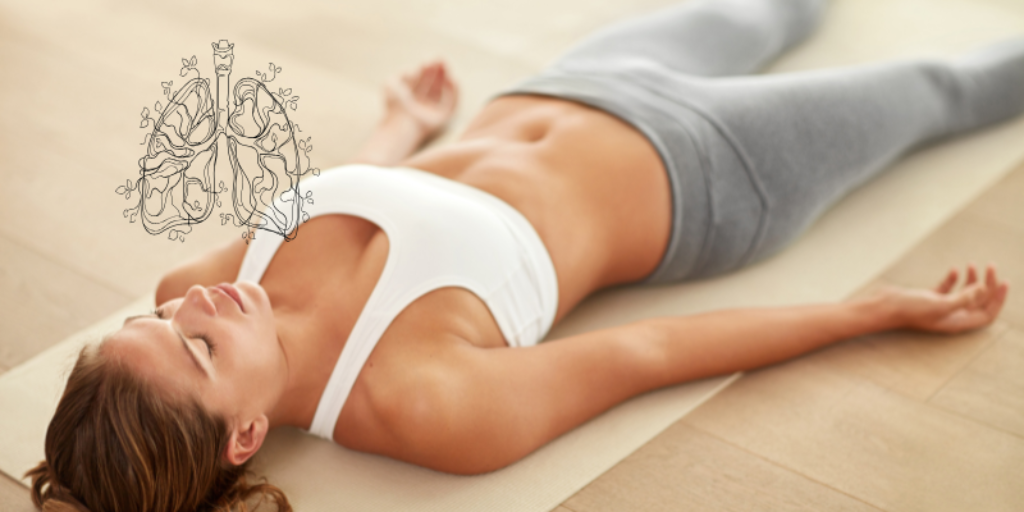
- Find a comfortable position — lying on your back, sitting upright, or standing tall.
- Place your hands on the sides of your ribcage, with your fingers resting on the front and thumbs wrapping around the back.
- Inhale deeply through your nose, focusing on sending your breath sideways into your hands. Feel your ribs expand outward and to the back.
- Exhale fully through pursed lips, feeling the ribs gently close back in while keeping your core lightly engaged.
It may take practice to get the hang of it. Many of us are habitual shallow chest breathers or belly breathers, so feeling movement around the ribcage can be a new sensation at first.
Why Do We Use Lateral Thoracic Breathing in Pilates?
Pilates is a form of exercise focusing on core strength, alignment, precision, and controlled movement. Breathing plays a central role in supporting all of these.
Here’s why lateral thoracic breathing fits so well with Pilates:
- It Allows Core Engagement While Breathing
A key goal in Pilates is to maintain gentle but active core engagement during exercises. If we belly breathe, the abdominal wall tends to bulge and relax, making it harder to keep the core engaged.
Lateral breathing allows the abdominals (especially the deep transverse abdominis) to stay engaged while letting us breathe fully.
- It Promotes Better Spinal Support
By expanding the ribs laterally and posteriorly, lateral thoracic breathing helps maintain a lengthened spine and good postural alignment during movement. It prevents unnecessary tension in the upper shoulders and neck and encourages stability through the thoracic spine and ribcage.
- It Improves Oxygen Flow During Exercise
Pilates involves controlled, precise movements that often require breath control and coordination. Lateral breathing ensures we get enough oxygen without disrupting core activation or compromising form.
- It Encourages Mindful Movement
Because lateral breathing is not automatic for most people, practising it brings awareness to your breath and body during exercise. This mindful connection helps deepen your Pilates practice and enhances concentration.
- It Supports Better Movement Patterns Off the Mat
Training your body to breathe more expansively into the ribs can also carry over into everyday life. It helps reduce shallow chest breathing patterns that are linked with stress and anxiety.
Additional Benefits of Lateral Thoracic Breathing
Beyond Pilates, lateral thoracic breathing offers several wellness benefits:
- Improved Lung Capacity: Regular practice can help expand the intercostal muscles between your ribs, making breathing more efficient.
- Better Posture: Breathing deeply into the ribcage encourages an open chest and long spine, which counters the slouching posture many of us fall into.
- Stress Reduction: Mindful breathing, in any form, can activate the parasympathetic nervous system—the body’s natural relaxation response.
- Increased Body Awareness: Learning to control and feel your breath improves proprioception, helping you become more aware of how your body moves and feels.
Common Mistakes to Watch Out For
When learning lateral thoracic breathing, some people find themselves:
- Lifting their shoulders excessively during inhale (chest breathing)
- Over-tightening their abdominals, which blocks the breath
- Breathing too shallowly, not giving the ribs enough room to expand
A Pilates instructor can help guide you with hands-on cues and tactile feedback to ensure you’re doing it correctly.
Final Thoughts
Lateral thoracic breathing may seem insignificant, but it’s a fundamental building block for good movement, especially in Pilates. It creates the perfect balance between breath control, core stability, and mindful movement. Whether doing Pilates to strengthen your core, improve your posture, or feel better in your body, learning how to breathe laterally through your ribcage can make a world of difference.
So next time you step onto your mat, take a moment to connect with your breath—and feel your ribs expand with purpose and control. Your body (and your Pilates practice) will thank you for it.