Movement is often spoken of as something we “should” do — a task to tick off between work, traffic, school runs, and everyday life. But more and more research, as well as real-life experience, is showing us something deeper: movement is medicine.
Not medicine in the sense of replacing doctors or treatment when needed, but medicine in the way it supports the body and mind every single day. Movement helps us manage stress, prevent illness, recover from injury, sleep better, think more clearly, and feel more connected to ourselves. In a world where many South Africans spend long hours sitting at desks, in cars, or working under pressure, intentional movement has become essential.
Here in the Western Cape, we are lucky to live in a place naturally built for movement. From the mountain trails of Cape Town, walks along the promenade, beach swims, cycling routes, wine farm walks, and outdoor community activities, movement is woven into our environment. Yet despite this, many people still struggle with back pain, tension headaches, fatigue, anxiety, poor posture, stiffness, and burnout. Why? Because movement is not just about exercise once or twice a week—it is about how we move through life consistently.
Our bodies were designed to move. Every joint, muscle, tendon, and system in the body functions better with regular movement. When we stop moving, the body often starts speaking to us through discomfort. Tight hips from sitting too long. Neck pain from laptops and phones. Low energy from inactivity. Poor sleep from stress and tension stored in the body.
Movement helps interrupt that cycle.
One of the most powerful things about movement is its effect on the nervous system. Many South Africans are carrying high levels of stress — whether from financial pressure, work demands, safety concerns, or simply the pace of modern life. Pilates and mindful movement can help regulate the nervous system by encouraging controlled breathing, focus, and body awareness. Instead of constantly operating in “fight or flight” mode, movement allows the body to shift into a calmer, more balanced state.
This is one reason why people often leave a Pilates class saying they feel taller, lighter, calmer, or clearer mentally — even if they arrived feeling exhausted.
Movement is also deeply connected to longevity and quality of life. We are seeing increasing rates of chronic conditions such as diabetes, heart disease, arthritis, and chronic pain across South Africa. While movement is not a cure-all, regular physical activity is one of the most effective ways to support overall health and reduce the risk of many lifestyle-related conditions.
Importantly, movement doesn’t need to be extreme to be effective.
There is a growing shift away from the idea that exercise has to leave you exhausted to be effective. Gentle, consistent movement is incredibly powerful. Pilates, walking, mobility work, stretching, swimming, and strength training all contribute to healthier bodies when done regularly and sustainably.
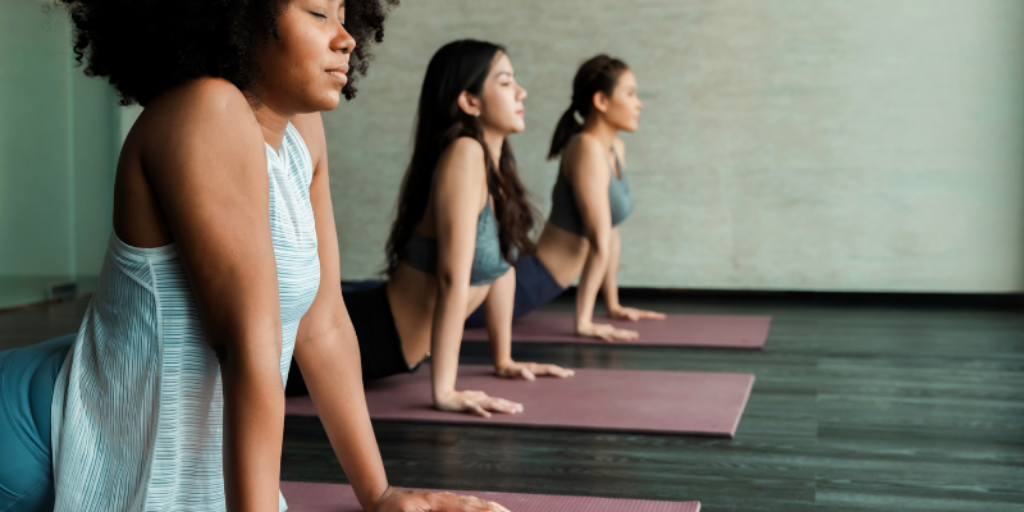
Pilates, in particular, focuses on quality of movement rather than quantity. It strengthens the deep stabilising muscles of your body, improves posture, increases flexibility, and helps you reconnect with how your body moves. This can be especially valuable for people recovering from injury, managing chronic pain, returning to exercise after a long break, or simply wanting a more balanced relationship with movement.
For many people in the Western Cape, movement also becomes a form of community and connection. In a time where loneliness and disconnection are becoming increasingly common, group classes and shared wellness spaces offer something meaningful beyond physical fitness. They create routine, accountability, encouragement, and human connection.
And perhaps that is part of why movement feels medicinal too — because it reminds us we are alive.
It reminds us that our bodies are not machines but systems that respond positively to care and consistency.
Even small amounts of movement throughout the day can make a difference:
- Taking a short walk after dinner
- Stretching between meetings
- Choosing stairs instead of lifts
- Practising mindful breathing
- Attending a weekly Pilates class
- Spending time outdoors
These small actions accumulate over time and often create bigger changes than occasional bursts of intense exercise.
In the Western Cape, especially, where nature is such a huge part of daily life, movement can also reconnect us to our environment. Walking on the beach, hiking on Table Mountain, or simply moving in fresh air can improve mood, reduce stress hormones, and increase energy levels. There is something uniquely healing about combining movement with nature.
Ultimately, “movement is medicine” is not about chasing perfection or aesthetics. It is not about punishment, comparison, or earning your meals. It is about supporting your body in the way it was designed to function.
Movement helps us stay independent longer. It helps us manage stress more effectively. It improves posture, breathing, circulation, balance, and strength. It helps us feel more present in our own bodies.
And most importantly, it reminds us that health is not built in one intense workout — it is built through small, consistent choices made over time.
You do not need to move perfectly.
You do not need to move intensely.
You simply need to keep moving.
Because movement truly is medicine.ing. Just thought I would mention it to you.
PS: Michelle is a great instructor and motivator!” — Maya Rau